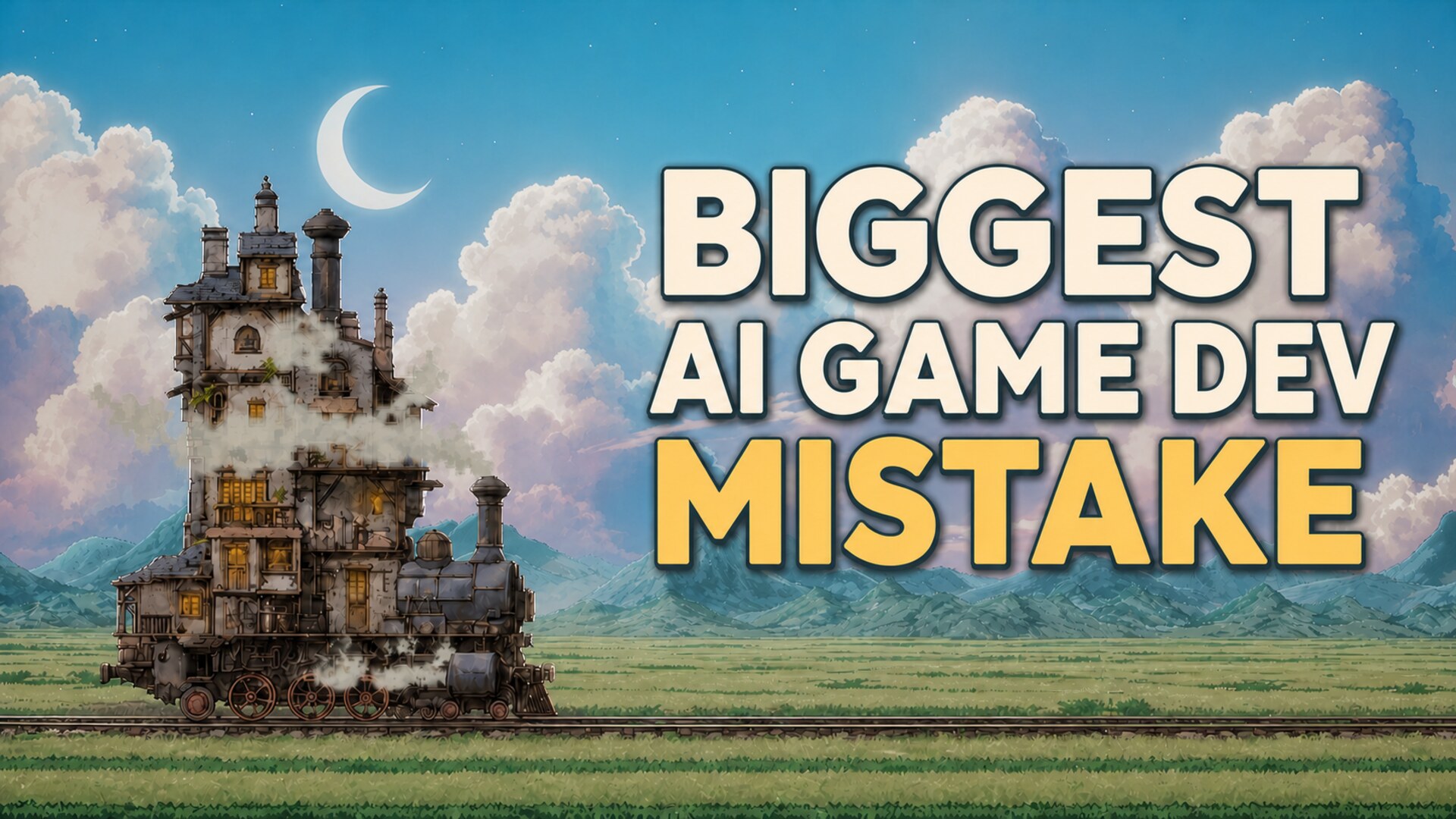
The biggest mistake in AI game development is treating AI as a generic assistant you can drop into an old pipeline. The stronger approach is to redesign scope, subject, gameplay, and workflow around AI's strengths — while the human stays responsible for direction, taste, integration, and final quality.
Let me be clear: this isn't a "make a game with one prompt" pitch, it's not an ad for any AI platform, and it's not some lazy way to print money. What I want to share is how I went from knowing nothing about AI last year to shipping a complete, deliverable game before this year was even half over — and mainly, the shifts in thinking that got me there.
Data note: The wishlist counts and ranking estimates below are Lao Liu's personal record from the 2026-07-05 video, based on information available at the time. They are not an official Steam ranking or current dynamic metrics.
The video records a demo launched one day before Next Fest with close to zero prior wishlists and nearly 3,000 new wishlists during the event; the comparable ranking is Lao Liu's estimate from the data available then.
A near-zero-wishlist cold start
This game started as a new folder on my computer at the end of February. A month and a half later, by mid-April, the gameplay and art were done and I'd opened a private beta in my own community. From mid-April to the June Next Fest, the work was cross-platform support, localization, dressing up the Steam store and demo pages, shooting promo material, wiring up the Steam API, and real QA. In other words: not a concept clip recorded in an engine, not a build you send a friend — a demo that met real shipping standards, going head-to-head with over 4,000 other new games at Next Fest.
Based on the information I found at the time, 3,000 wishlists appeared to fall around the top 20–30% of Next Fest entries, while results also depend heavily on how many wishlists a game had before the event. My demo shipped one day before the event with close to zero prior wishlists; from that, I estimated a possible top 10–20% range among comparable cold starts. This is not an official Steam ranking or proof of a breakout hit, but it gave me a useful early project signal.
What AI replaces may not be your job — it's your industry
This one came from binge-watching AI comics last year. It started as background noise for chores — I'd gotten tired of podcasts and wanted something different, and AI comics, empty-calorie stuff built for zoning out, fit the bill. But after two months I noticed something: my own attention, as a viewer, had already been captured by a species that only exists because of AI. I checked on short-form drama, an adjacent format — sure enough, it wasn't doing well either, quietly hollowed out by the same AI comics.
See, a lot of people in that industry didn't lose their jobs to AI directly. AI simply created a new species that ate the demand their whole industry used to serve. Once that clicked, I got real urgency: I stopped casually testing whether AI could do some slice of my work and relaxing when I found a gap. Because it could swallow my whole industry overnight, without my noticing — while also opening new opportunities. That's what pushed me to drop my skepticism and actually learn AI.
From "is AI good enough" to "is this person good with it"
Starting last year, every platform filled up with AI work, most of it early and rough, which cemented a common belief: anything made with AI is junk. But in the back half of the year it changed — I saw AI-made virtual idols go viral, whole meme universes emerge from AI, video creators pivot successfully into AI, and a short film from director Jia Zhangke made with AI. It all pointed to the same thing: whether a piece of work is good still comes down to the person making it.
AI doesn't erase human creativity — what it erases is the production-scale gap between an individual and a large studio, giving more talented individuals and small teams a real shot at being seen. Games are no different. What people complained about was never "made with AI" — it was that the people making those games lacked the skill or the attitude. If my reason for using AI isn't to cut corners but to push quality past what I could reach by hand alone, then my game deserves to be judged on its merits — and I shouldn't feel any hesitation or guilt about that.
Stop treating AI as an assistant — let it lead
There's a thirty-year-old paper called "The Dynamo and the Computer" that asks why, for a long stretch after generators and computers were invented, they barely moved productivity at all. The answer: the surrounding systems were still built for the old era. Using new technology to substitute for one role inside an old pipeline never captures its real dividend.
I was making that exact mistake until this year. So on this project my core design principle stopped being "use AI to substitute for one job in my existing pipeline" and became redesigning the subject, gameplay, and whole pipeline around whatever maximizes AI's strengths:
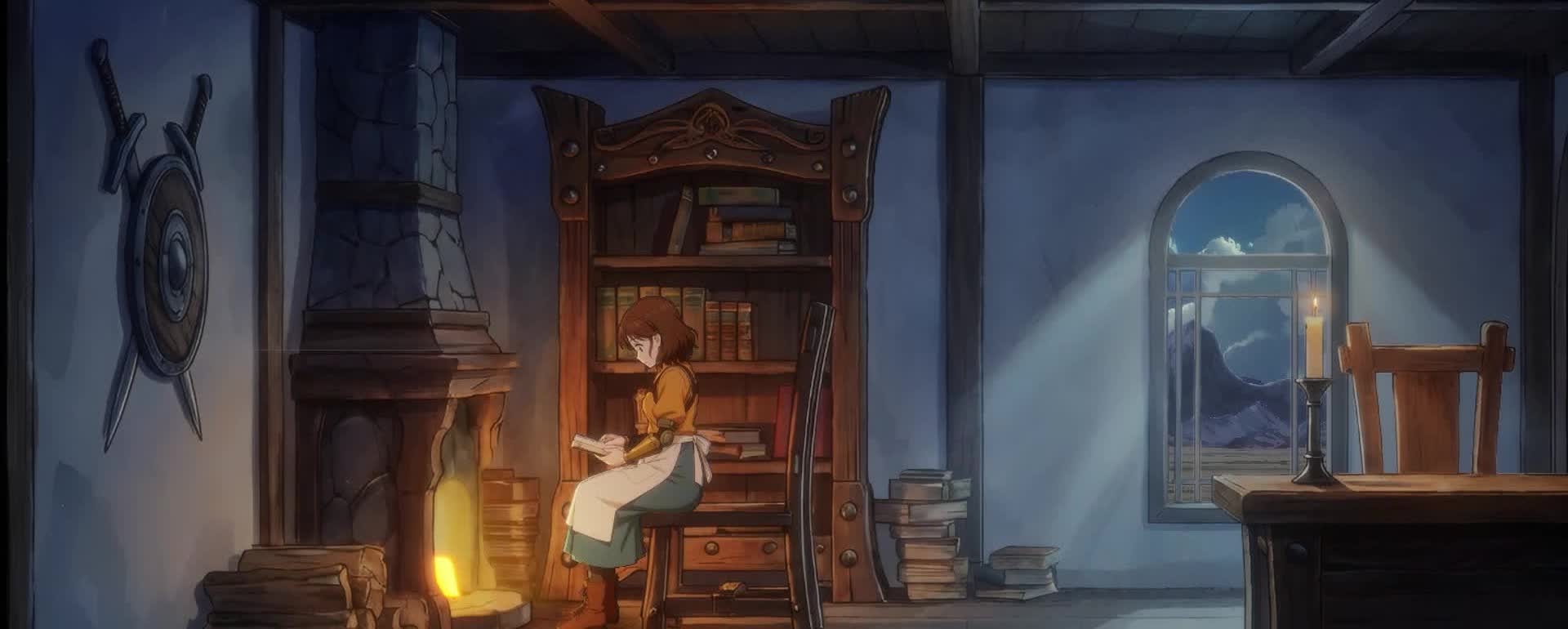
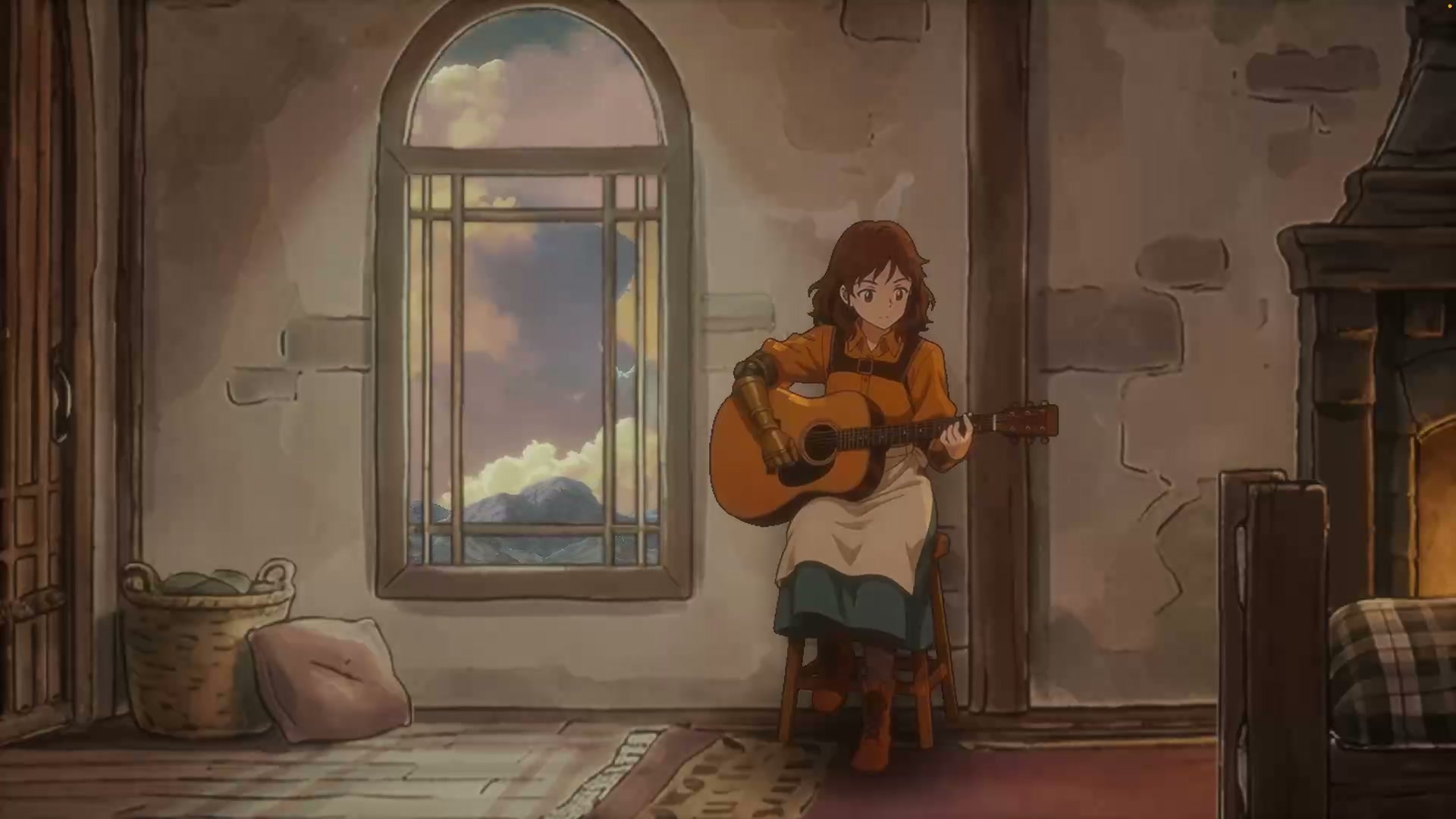
- GenreAn idle companion game.Chosen to lean into AI's two biggest strengths — art and music.
- AnimationFrame-by-frame, not skeletal.Using AI's generation, and enlarging the character on screen to foreground the hair, clothing, and expression detail AI renders well.
- PerspectivePerspective, not orthographic.Dropping the orthographic view most 2D games use — which AI struggles with — for a perspective view it handles well, then rebuilding scene layout around it.
- LightingSubtractive, not additive.Instead of model → texture → light → render, let AI generate the final image and reverse-engineer scene elements from it — AI has seen far more finished images than texture assets.
- DevCode plus Blueprint.Dropping pure Blueprint, because AI handles code far better than visual scripting.
My own job became patching whatever this pipeline was weak at: making characters sit naturally in a scene, reworking images to fit gameplay, smoothing the seams between different AI tools. On this project I stopped treating AI as my assistant and started treating it as a brilliant lead creator — with myself clearing the obstacles in its way.
I stopped treating AI as my assistant and started treating it as the lead creator — with myself clearing the obstacles in its way.
And it worked: players' favorite parts of the game were consistently the parts AI led on, and neither domestic nor international players showed much hostility toward the heavy AI use. Through all of it I never felt like AI's servant — more like a coach, fielding players with different strengths, respecting each one, calling the right plays, handling logistics, and winning the game. And the win still counts as mine. What servant gets that deal?
What an ordinary person can still do
The AI era has genuinely devalued a lot of people's skills, and no one can stop this wave. All we get to choose is whether we climb it early, or stand still and let it break over us.
My drum teacher once told me the history of the drum kit: before it was invented, bands worked like a marching ensemble — one player, one drum — so a show needed several drummers. Once the kit existed, a few drums mounted together meant one player was enough. Whoever booked the show realized: we used to need three people at 100 each; now we just need the one who can play the kit, and pay them 120. I think that's the future of the AI era — the same story every technological shift leaves behind for ordinary people. All I can do now is try to be that drummer: the job's harder, but at least there's still 120 to be made.
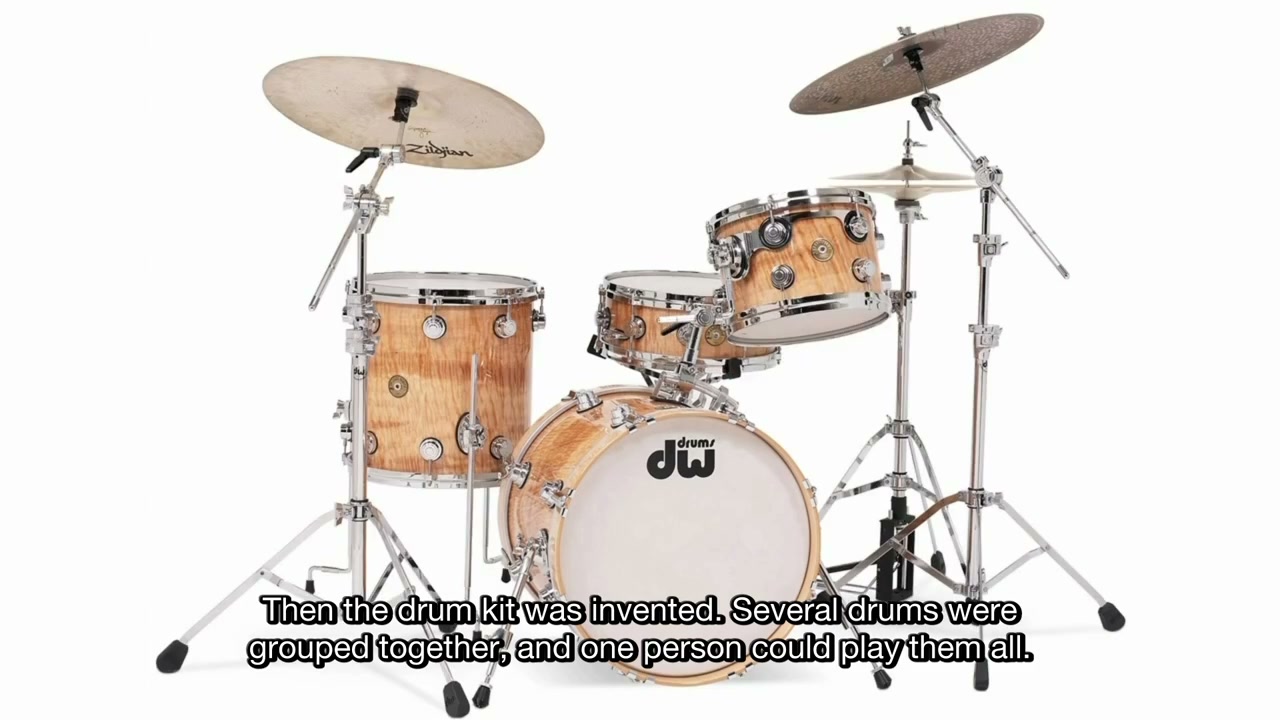
We used to need three people at 100 each. Now we need the one who can play the kit, and pay them 120 — I think that's the future of the AI era.